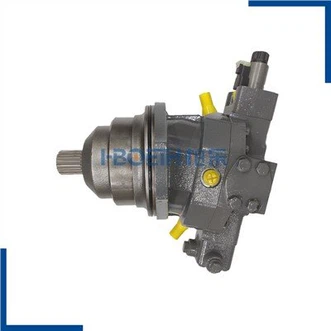


The structure of the hydraulic station is mainly distinguished by the structure of the pump device, the installation position and the cooling mode.
1. According to the mechanism form and installation location of the pump device, it can be divided into:
1) Upper vertical type: the pump device is installed vertically on the tank cover plate, which is mainly used for quantitative pump system.
2) Upper horizontal type: The pump device is installed horizontally on the oil tank cover plate, which is mainly used for the variable pump system to facilitate flow adjustment.
3) Side type: the pump device is installed horizontally next to the oil tank on a separate basis, and the side type can be equipped with a backup pump, which is mainly used for systems with a large tank capacity of 250 liters and a motor power of more than 7.5 kilowatts.
2. According to the cooling mode of the station, it can be divided into:
1) Free cooling: cooling by the heat exchange between the tank itself and the air, generally used in systems with a tank capacity of less than 250 liters.
2) Forced cooling: Adopt a cooler for forced cooling, generally used in systems with a tank capacity greater than 250 liters. The hydraulic station takes the effective oil storage measurement of the oil tank and the motor power as the main technical parameters. Fuel tank capacity has a total of 18 specifications (unit: liter/L): 25, 40, 63, 100, 160, 250, 400, 630, 800, 1000, 1250, 1600, 2000, 2500, 3200, 4000, 5000, 6000 According to user requirements and according to the working conditions, this series of hydraulic stations can do: (1) configure the manifold block according to the system, or without the manifold block; (2) Coolers, heaters and accumulators can be set; (3) Electrical control equipment can be set up, or without electrical control device.